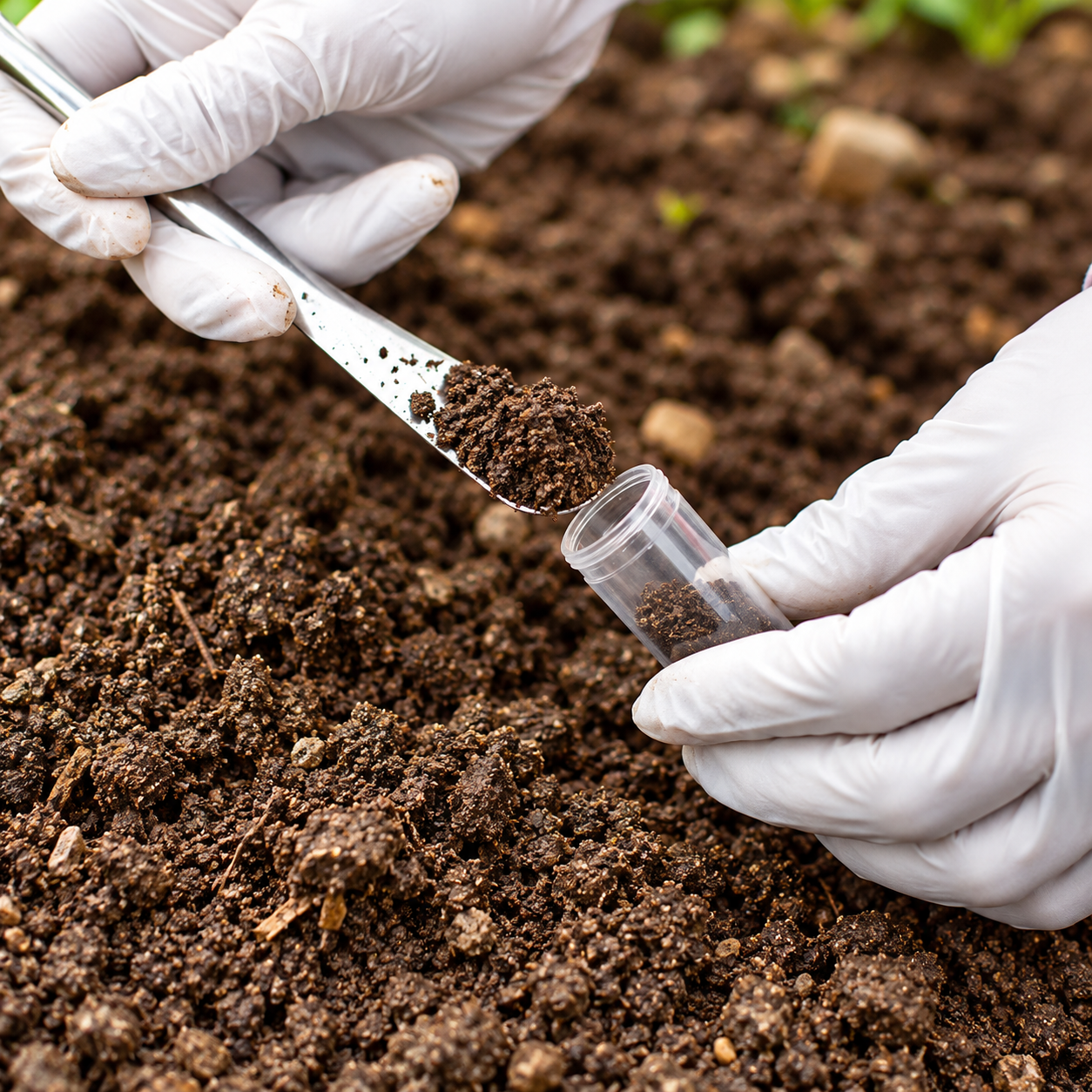
Understanding your soil is an important step towards responsible crop nutrition and soil management. Our process helps farmers learn about soil testing and the importance of understanding their soil's condition.
From preparing a representative sample to understanding the available test results, each step helps you make more informed decisions for your agricultural land.
Follow these simple steps to understand the soil testing process and its role in agricultural planning.
Contact Kishan Digital Seva Kendra to learn about available soil testing services, sample requirements, and the process to follow.
Collect soil from representative areas of your field using suitable sampling methods. Follow the collection and handling instructions provided for testing.
Submit the prepared sample according to the centre's instructions. Provide relevant information about your field and intended crop when requested.
The submitted sample can be analysed for the soil parameters included in the available testing service. The analysis helps assess selected soil characteristics.
Review the available soil test results to understand the tested soil properties and identify areas that may require attention.
Use your soil test information and appropriate agricultural guidance to plan nutrient management and make informed decisions for your crops.
Proper sampling is important for obtaining meaningful soil test results. Follow the instructions provided by the testing centre for your field and sample type.
Sample areas that reflect the field you want to evaluate.
Avoid contaminating the soil sample with other materials.
Use the recommended sampling depth, container, and handling procedure for your test.
Mention your intended crop and any relevant field information when submitting the sample.
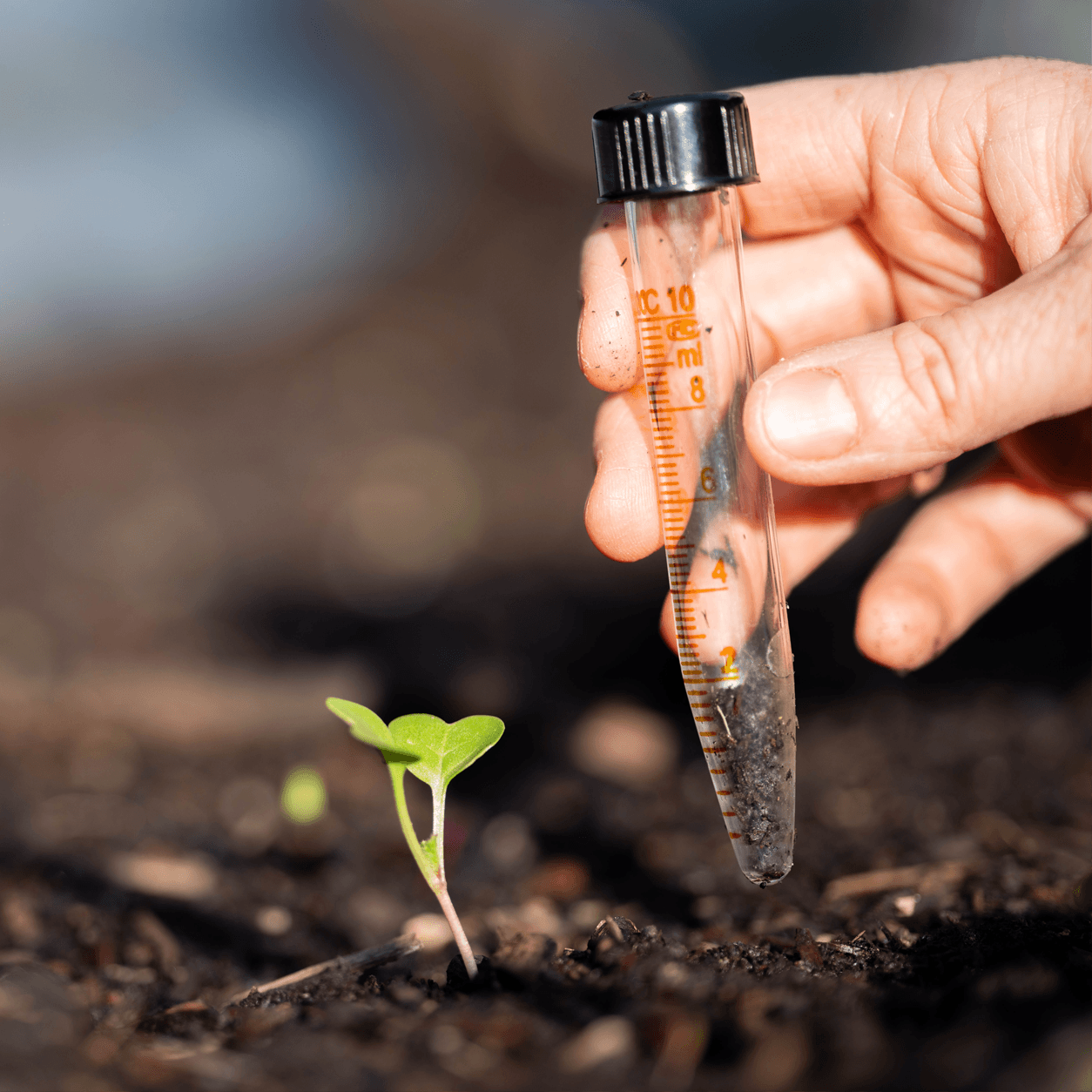
Understanding soil conditions helps farmers make more informed agricultural decisions.
Understand tested soil properties before planning soil management activities.
Learn about the nutrient parameters included in your soil test report.
Understand the importance of maintaining soil fertility and soil health.
Support responsible nutrient management and long-term soil conservation.